
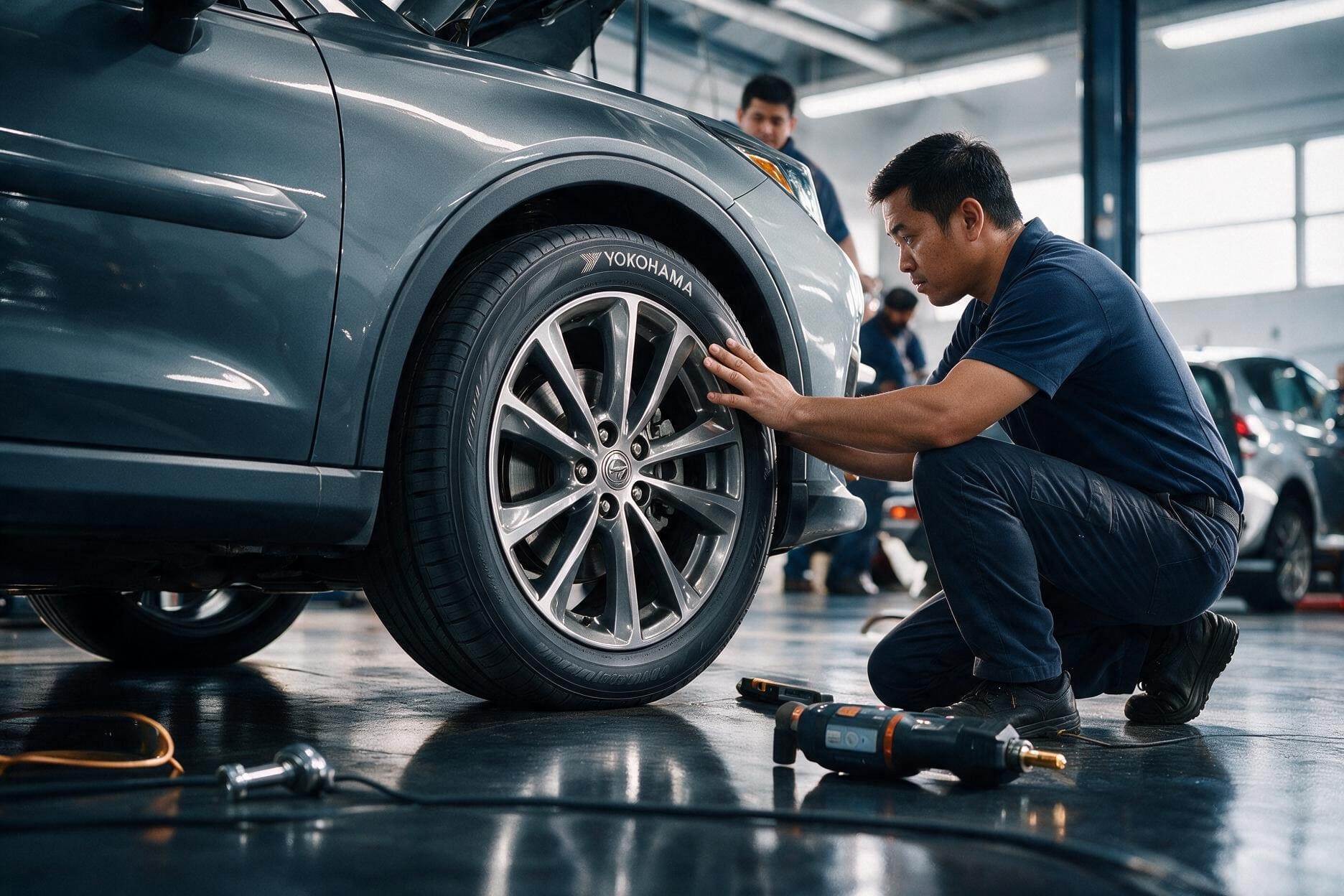
Vehicle maintenance is the ongoing set of inspections, servicing and part replacements that keep a car safe, reliable and efficient throughout its working life. It ranges from a one-minute walk around the car to scheduled workshop visits that renew wear items before they fail.
This guide takes a step back from any single checklist and explains the bigger picture: what vehicle maintenance actually means, why prevention beats repair, which systems matter most, and how to turn all of it into a schedule you will keep in Malaysia.
What Vehicle Maintenance Means
Vehicle maintenance is best understood as caring for a machine that wears a little with every kilometre. Each component, from the engine oil to the tyres, has a service life, and maintenance is the discipline of measuring that wear and acting before it becomes a fault. Done well, it keeps the whole car performing the way its maker intended.
The concept covers three overlapping activities. Inspection is looking and listening for change, such as a soft tyre, a new noise or a warning lamp. Servicing is the scheduled renewal of consumables like oil, filters and brake fluid. Replacement is fitting new parts, such as tyres or a battery, once they reach the end of their usable life. Together these keep small, slow problems from turning into sudden, expensive ones.
Preventive Versus Corrective Maintenance
The single most important idea in vehicle maintenance is the difference between preventive and corrective work. Preventive maintenance is planned care carried out on a schedule, before anything breaks, while corrective maintenance is the repair you are forced into after a part has already failed. A good routine shifts as much work as possible from the second category into the first.
Prevention wins on both cost and safety. Most roadside breakdowns are dull, avoidable failures, and the largest share of emergency call-outs involve vehicles that need towing or have a flat battery, the very problems a service visit is designed to catch early. A worn part found on a ramp is a scheduled expense, whereas the same part discovered at the roadside is a tow, a delay and often a larger bill.
Safety is the more serious half of the argument. A brake or a tyre that fails without warning does so at speed, in traffic, or in the rain, which is exactly when you can least afford it. Preventive maintenance removes that gamble by retiring worn parts on your terms rather than the road’s.
The Key Systems to Maintain
A car is a collection of systems, and a sensible routine gives each one attention in proportion to how it wears and how much it matters to safety. The sections below move from under the bonnet outward to the four corners that meet the road.
Engine Oil and Fluids
Engine oil is the fluid that lubricates and cools the moving parts of the engine, and it degrades with heat and use until it can no longer protect them. Renewing it on schedule is the most basic engine care there is. Alongside oil, coolant controls engine temperature, brake fluid carries pedal pressure to the wheels, and transmission and power steering fluids keep those systems smooth, so each should be checked against its level marks and renewed as the manual directs.
Brakes
Brakes are the system you depend on in every emergency, which is why they head the safety-critical list. Brake pads wear down with use and eventually stop poorly, so a squeal, a grinding sound, or a pedal that feels soft or pulses is a signal to have the pads and discs inspected without delay. On the wet roads that Malaysia sees for much of the year, healthy brakes and fresh fluid directly shorten your stopping distance.
Battery
The battery starts the engine and runs the electronics, and it leads a hard life in a tropical climate. Sustained heat accelerates the internal wear that ages a battery, which is why battery trouble is one of the most common reasons drivers end up stranded, making up a large slice of roadside assistance calls every year. Treat slow cranking as an early warning, keep the terminals clean, and ask for a battery health check at each service.
Tyres
Tyres are the only parts of the car that actually touch the road, so they carry the whole weight of your safety and are also the easiest system to check yourself. Two quick habits cover most of the risk. First, check inflation at least once a month and while the tyres are cold, using the figure on the driver’s door placard rather than the maximum moulded on the sidewall, and our guide to finding and setting the correct air pressure walks through the detail. Second, watch the tread, because a tyre is worn out once it reaches 2/32 of an inch, the point where the moulded wear bars sit flush with the surrounding rubber, and our explainer on how to read your tread depth shows the simple ways to measure it. If a tyre keeps going soft between checks, our note on why tyres lose pressure over time covers the usual causes.
Filters, Belts and Hoses
Filters, belts and hoses are the quiet consumables that most drivers forget. The engine air filter keeps grit out of the combustion chamber and the cabin filter cleans the air you breathe, while the rubber belts and hoses under the bonnet drive accessories and carry coolant. Heat hardens rubber over time, so belts and hoses should be inspected for cracks, bulges and soft spots as part of routine servicing and renewed before they split.
Lights and Wipers
Lights and wipers are cheap to maintain yet vital to how well you see and are seen. Walk around the car and confirm the headlights, brake lights, indicators and reverse lights all work, and replace any hazy or blown units. Wiper blades harden and smear in the tropical sun, so fresh blades and topped-up washer fluid are what keep the windscreen clear when a sudden downpour arrives.
How to Read and Follow a Service Schedule
A service schedule turns all of the above into a plan, and the schedule that matters most is the one printed in your vehicle owner’s manual. The manufacturer lists exactly which parts to renew and when, tailored to your model, which makes the manual the final word whenever general advice and the handbook disagree.
Schedules are written around two clocks, and the earlier one wins. Service is set either by time since the last visit or by distance travelled, whichever comes first, so a car that covers few kilometres still needs servicing on the calendar because oil and fluids age even when parked. Many newer cars add a dashboard reminder, but the underlying rule is the same. A practical habit is to log the date and odometer reading of each oil change and tyre rotation, then tie the next one to an easy trigger such as a birthday month or a round number on the odometer.
The Payoff: Safety, Resale and Fuel Economy
Maintenance repays the effort in three currencies at once, which is why disciplined owners rarely regret it. The first is safety, since the parts a routine protects, the brakes and the tyres above all, are the ones that keep you in control when a road turns wet or a child steps out.
The second currency is money, split between resale value and running cost. A car with a complete, documented service history reassures the next buyer and commands a stronger price, while planned servicing spreads spending across the year instead of delivering it as a single painful bill. The third currency is fuel economy, because a well kept car simply uses less fuel: correct tyre inflation alone protects both safety and efficiency, and clean filters and healthy engine parts keep consumption where the maker intended.
Vehicle Maintenance in Malaysia’s Climate and Inspection Regime
Malaysia asks more of a maintenance routine than a temperate country does, so the schedule deserves a local tilt. The heat is the first factor, ageing battery chemistry, engine oil and rubber faster than a cooler climate would, which is why batteries and tyres here often need attention sooner than the textbook interval suggests. The monsoon is the second, placing a premium on deep tread, effective brakes and clear wipers during months of heavy rain.
The country also has a formal roadworthiness layer worth knowing. Malaysia’s appointed inspection body carries out computerised checks that cover brakes, steering, suspension, tyres, lights and the vehicle structure, and while private cars are not put through an annual test, they must pass an inspection at events such as an ownership transfer. Tyres are a common sticking point, since the minimum legal tread depth in Malaysia is 1.6mm, the same worn-out threshold your wear bars mark. Keeping tyres well ahead of that limit is both a safety margin and the surest way to pass any check. When a set is nearing the end, our guide on when to change your car tyres helps you judge the timing.
Where Yokohama Fits Into Your Maintenance Plan
Every system in this guide protects the driver, but only one of them is in constant contact with the tarmac, and that is the reason tyres reward careful choice as much as careful upkeep. A maintenance plan built on tyres that hold their grip in the wet, resist uneven wear and roll efficiently gives every other check something solid to work with.
That is the standard Yokohama is built to meet. An award winning Japanese tyre brand founded in 1917, and the first Japanese manufacturer to earn ISO 9001 certification for consistent quality, Yokohama reaches Malaysian roads through sole official importer Yokohama Tyre Sales Malaysia across three purpose-built ranges: the performance-focused ADVAN, the rugged GEOLANDAR for SUVs and all-terrain driving, and the fuel-saving BluEarth for everyday economy. Every officially imported set is backed by the We Care Road Hazard Warranty and supported by authorised dealers nationwide.
When your maintenance routine says the tyres are due, give the part that touches the road the quality it deserves at Yokohama Tyre Malaysia.
Frequently Asked Questions
What is vehicle maintenance?
Vehicle maintenance is the routine of inspecting, servicing and replacing a car’s parts so it stays safe, reliable and efficient. It combines quick owner checks, such as tyre pressure and lights, with scheduled workshop servicing of items like oil, filters and brakes.
What is the difference between preventive and corrective maintenance?
Preventive maintenance is planned work done on a schedule before anything fails, while corrective maintenance is the repair you make after a part has already broken. Prevention is usually cheaper and safer because it catches wear early instead of at the roadside.
How do I know when my car needs servicing in Malaysia?
Follow the time or mileage interval in your owner’s manual, whichever comes first, and act on any warning light or new noise in between. Because heat and stop-start traffic are hard on a car here, many drivers service a little more often than the manual’s longest interval.
Which vehicle maintenance tasks can I do myself?
The easiest and most valuable checks are tyre pressure and tread, fluid levels, and a walk-around of the lights and wipers. Heavier jobs such as brake work, oil changes and battery replacement are best left to a workshop that can inspect the whole car at the same time.
Sources
- AAA Newsroom – AAA Urges Drivers to Stay Proactive on Auto Repair and Maintenance
- National Highway Traffic Safety Administration – Tires and Tire Safety
- U.S. Tire Manufacturers Association – Tire Care Essentials
- PUSPAKOM – Routine Inspection
- paultan.org – Minimum 1.6 mm tread depth across entire tyre surface a must for all commercial vehicles, JPJ
- Yokohama Tyre Malaysia – Home