

Noticing your tyres losing pressure constantly? It’s a warning sign you shouldn’t ignore. Tyres lose pressure due to natural seepage, punctures, faulty valves, temperature changes, or rim damage. Driving on underinflated tyres can cause blowouts, uneven wear, and increased fuel consumption.
This guide explains exactly why your tyres might be losing air, how to spot the problem early, and what you should do to fix it.
Common Causes of Tyre Losing Pressure
Tyres lose pressure naturally over time or due to damage, faulty parts, and environmental changes. Here’s a breakdown of the most common reasons:
1. Osmosis (Slow Air Loss)
Osmosis can cause tyres to lose around 1–3 psi per month as tiny air molecules escape through the rubber. This natural leakage worsens with large temperature swings.
2. Slow Punctures
Slow punctures from nails or sharp debris cause a gradual pressure drop, often around 1–3 psi per day. They can be tricky to spot without close inspection.
For more detailed tips, check out this guide on how to know if your tyre is punctured.
3. Faulty Valve Stems
Damaged or worn-out valves let air escape from tyres, even if the tyre itself is fine. Common valve issues include leaks at the base or loose valve cores.
4. Impact Damage
Hitting potholes, curbs, or debris can deform the tyre or wheel rim, creating new points of air loss. Severe impacts can also cause sudden blowouts.
5. Tyre Bead Leaks
The tyre bead must seal tightly against the wheel rim. Corrosion, dirt, or improper mounting can lead to leaks at this critical contact point.
6. Temperature Changes
Tyre pressure drops by about 2% for every 5.5°C (10°F) decrease in temperature. Cold weather often exposes hidden leaks and accelerates natural air loss.
7. Ageing or Low-Quality Tyres
Older or low-quality tyres are more prone to pressure loss due to rubber degradation.
Always inspect tyres regularly, especially after 5 years of use and know when it’s time to change your car tyres.
Why Low Tyre Pressure Is Dangerous
Driving on tyres with low pressure increases your risk of accidents, higher costs, and early tyre failure.
Key risks include:
- Blowouts: Underinflated tyres flex excessively, causing heat build-up and risking sudden failure.
- Uneven Tyre Wear: Low pressure causes shoulder wear, reducing tyre life.
- Increased Fuel Consumption: More rolling resistance forces your engine to work harder.
- Poor Handling and Stability: Steering becomes heavier, and emergency braking distances increase.
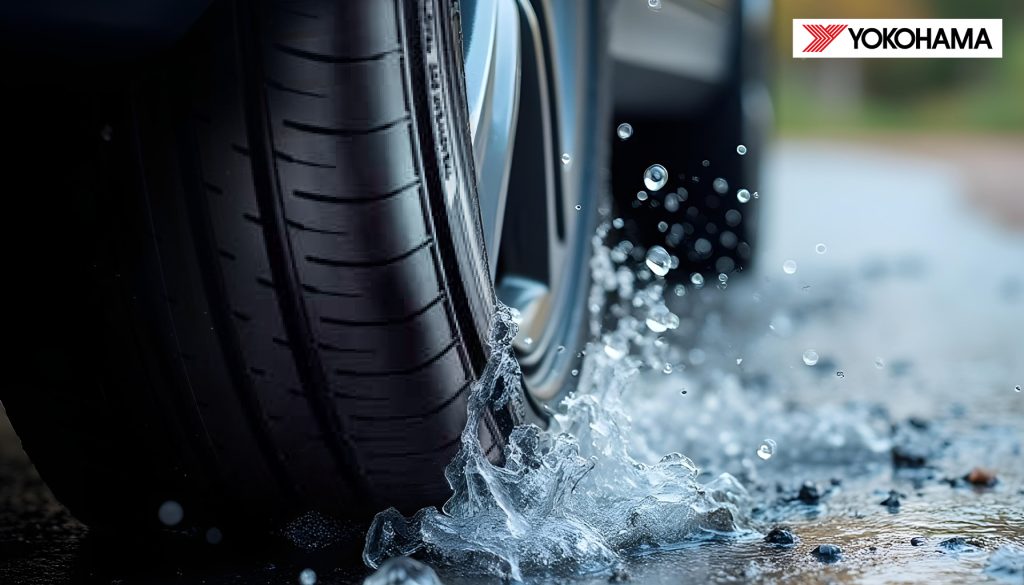
- Greater Hydroplaning Risk: Low-pressure tyres don’t disperse water effectively, leading to loss of control.
How to Identify Why Your Tyres Are Losing Air
Regular inspections and simple tests can help you quickly diagnose tyre pressure loss.
1. Check Tyre Pressure Often
Use a reliable gauge to check pressures fortnightly. Always check when tyres are cold for accurate readings.
2. Perform Visual Inspections
Look for nails, sharp objects, cuts, bulges, or sidewall cracks. Early signs of puncture or impact damage can prevent blowouts.
3. Listen for Hissing Sounds
Hissing noises usually indicate an active air leak. Focus on the valve stem and bead area.
4. Use the Soapy Water Test
Spray soapy water around the valve, tyre bead, and suspected puncture sites. Bubbles reveal escaping air.
5. Try the Submersion Method
Submerge the inflated tyre in water. Rising bubbles will reveal leaks that may be missed during a visual inspection.
6. Inspect Valve Stems
Ensure the valve core is tightened properly. A faulty or damaged valve can be easily replaced by a technician.
Best Ways to Maintain Correct Tyre Pressure
Proactive tyre maintenance can extend lifespan, improve fuel economy, and ensure safer driving.
- Use a Quality Tyre Pressure Gauge: Cheap gauges often misread actual pressure.
- Inflate to the Manufacturer’s Recommended Specifications: Found inside the driver’s door or in your vehicle manual.
- Repair or Replace Punctures Promptly: Especially for tread punctures; sidewall damage usually requires tyre replacement.
- Replace Faulty Valve Stems: If valves are leaking or ageing.
- Fix or Replace Damaged Rims: Rim corrosion causes bead leaks.
- Adjust for Seasonal Changes: Increase tyre pressure slightly during winter.
- Consider Nitrogen Inflation: Slows down air loss compared to regular compressed air.
When to Get Professional Help
Seek expert tyre inspection if any of the following occur:
- Rapid or unexplained pressure drops.
- Repeated slow leaks even after repairs.
- Visible tyre or rim damage.
- Punctures in or near the sidewall.
Many tyre centres offer free tyre safety checks—take advantage of these to detect problems early.
How Tyre Pressure Monitoring Systems (TPMS) Help
Most modern cars have TPMS to alert you when the tyre pressure drops significantly. However, TPMS might not catch slow leaks early. Manual pressure checks remain crucial for optimum safety and performance.
Keep Your Tyres Safe and Your Journey Smooth
Tyre pressure loss is often a slow and silent issue, but it can lead to serious consequences if left unaddressed.
By checking tyre pressure regularly, repairing minor issues promptly, and seeking professional help when needed, you can avoid accidents, save money, and drive with greater confidence.
Ready for a safer, smoother driving experience? Explore Yokohama’s premium tyre collection in Malaysia—from race-proven ADVAN, eco-friendly BluEarth, to rugged GEOLANDAR all-terrain tyres.