
Tyre size affects more than just fitment. It shapes ride comfort, steering feel, road noise, fuel efficiency, and how confidently your car handles daily driving. If you are replacing your tyres, upgrading your wheels, or simply trying to understand the markings on your current set, getting the correct tyre size is one of the most important checks you can make.
Many drivers only pay attention to the brand or price, but size should come first. The sample tyre articles you uploaded follow that same logic: confirm the correct size first, then compare grip, comfort, durability, and other buying factors.
Understanding Tyre Size
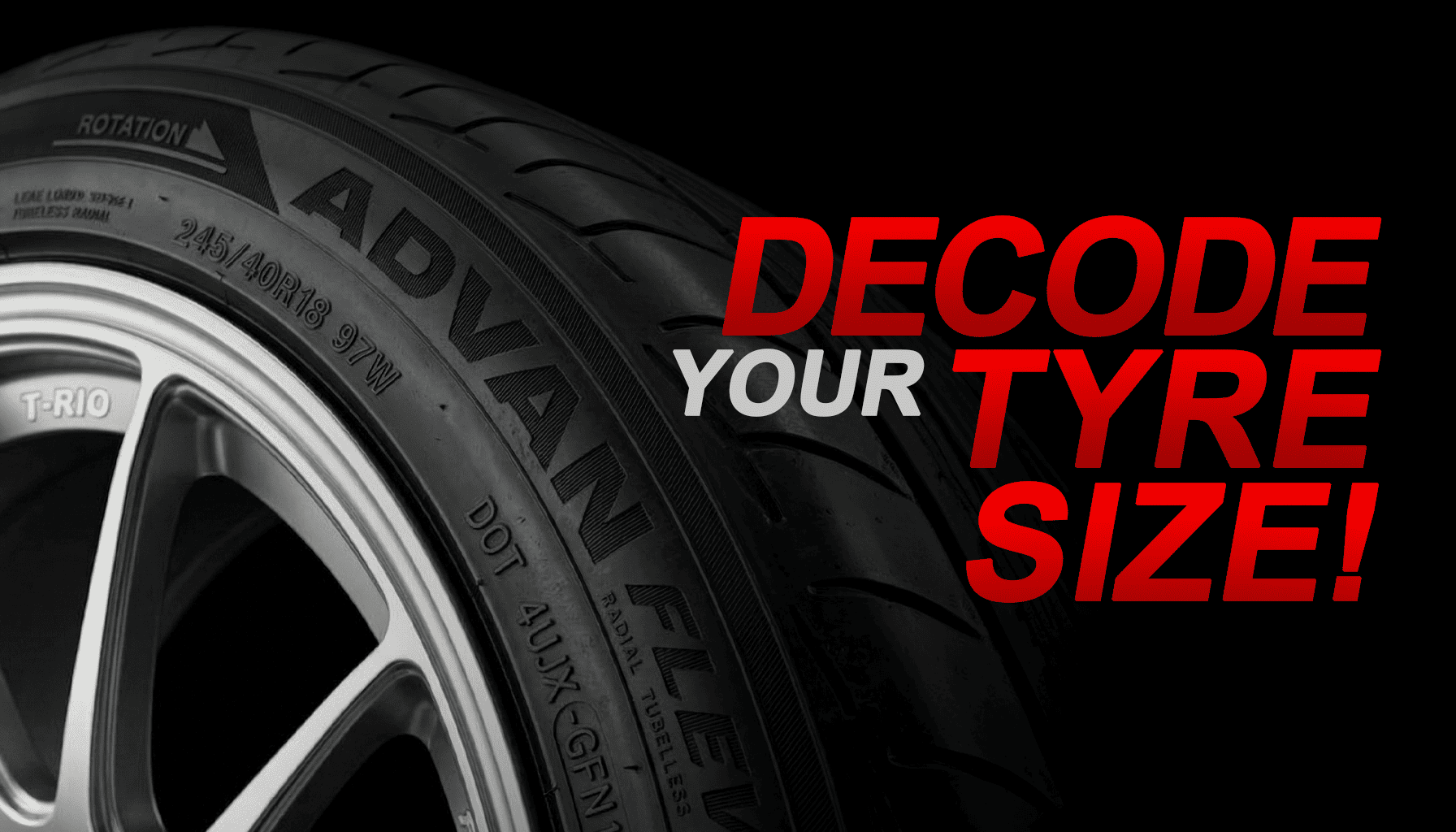
Tyre size is the coded measurement on your tyre that tells you its width, sidewall ratio, construction type, and rim diameter. A marking such as 175/65R14 means the tyre is 175 mm wide, the sidewall height is 65% of the width, the tyre uses radial construction, and it fits a 14-inch wheel.
In simple terms, tyre size tells you whether a tyre will fit your wheel correctly and whether it matches the setup your vehicle was designed to use. That is why tyre size should always be confirmed before you compare tread patterns, prices, or performance claims.
A quick rule to remember:
- the first number is the tyre width in millimetres
- the second number is the aspect ratio, or sidewall height as a percentage of width
- R means radial construction
- the last number is the wheel diameter in inches
Why the Right Tyre Size Matters
The right tyre size helps your car perform the way it was designed to. The uploaded model-specific samples consistently connect correct fitment with safety, comfort, handling, and efficiency.
Using the correct tyre size matters because it can affect:
- Safety: the right fitment supports predictable braking, grip, and stability
- Comfort: size influences ride firmness, sidewall flex, and road harshness
- Handling: incorrect fitment can change steering feel and cornering response
- Fuel efficiency: tyre dimensions and rolling resistance both play a role
- Noise: some size and profile combinations feel quieter than others in daily driving
It also matters for practical reasons. A size that looks close on paper may still be unsuitable if the rolling diameter, sidewall height, or wheel match is wrong. If a vehicle is running aftermarket wheels, the safest approach is to confirm what is currently installed rather than assuming the original factory size still applies. That caution appears clearly in the Myvi sample article.
How to Read Tyre Size Markings Properly
Before buying new tyres, it helps to decode the tyre sidewall. Once you understand the markings, it becomes much easier to compare options and avoid fitment mistakes.
Take 205/60 R17 94H as an example:
- 205 = tyre width in millimetres
- 60 = aspect ratio, meaning the sidewall height is 60% of the width
- R = radial construction
- 17 = wheel diameter in inches
- 94 = load index
- H = speed rating
The sample articles also stress that the load index and speed rating should match or exceed the vehicle manufacturer’s recommended specification, rather than being treated as minor details.
If you want a simpler breakdown of the sidewall code before buying, it helps to read how to read tyre markings code so you can identify the exact size and ratings already fitted to your vehicle.
Where to Find the Correct Tyre Size for Your Car
The safest place to confirm tyre size is your vehicle itself. General online lists can be helpful, but they should never overrule the information supplied for your specific car.
Start with these checks:
- the driver-door placard
- the owner’s manual
- the markings on the tyre currently fitted to the car
- the wheel size and approved fitment for your exact variant
This matters because size can vary by model year, trim, engine variant, and wheel package. The sample model guides repeatedly remind readers to confirm the final fitment on the vehicle rather than relying only on broad online ranges.
Common Tyre Size Mistakes to Avoid
Many tyre-buying mistakes start with assumptions. A driver sees a similar model on the road, copies the size, and assumes it will work the same way. That can create fitment or handling issues that are easy to avoid.
Common mistakes include:
- buying tyres based only on brand or price
- ignoring the load index and speed rating
- assuming all trims of the same model use the same size
- forgetting to check whether the car has aftermarket wheels
- choosing a different size without confirming clearance and compatibility
The Bezza sample article also shows why deeper checks matter beyond size alone, including tyre age, wet-road performance, and construction quality.
How to Choose the Right Tyre Size for Your Needs
Tyre size should not be changed casually. In most cases, the safest starting point is the manufacturer-approved size for your vehicle. Once that is confirmed, you can compare tyres within the correct fitment based on how and where you drive.
A more practical buying approach looks like this:
- confirm the approved size first
- match the load index and speed rating
- think about your daily driving conditions
- compare comfort, wet grip, and tread life
- buy from a trusted source that can confirm fitment properly
This is also the point where warranty support matters. Buying through the right channel makes it easier to protect your purchase and understand what support applies after installation. You can review the Yokohama warranty page if you want to understand the available local warranty coverage before you buy.
Does Tyre Size Affect Driving Feel?
Yes, tyre size can change how a car feels on the road. The uploaded samples repeatedly connect tyre fitment with grip, noise, comfort, and vehicle behaviour in real driving.
A higher-profile tyre may feel more cushioned over rough roads, while a lower-profile fitment can feel firmer and more direct. What matters most, though, is using a size and rating that suits the vehicle properly. For general tyre safety guidance, the NHTSA tyre safety page is a useful external reference.
Compare Tyres That Match the Correct Size
Once you have confirmed the correct tyre size, the next step is comparing tyre lines that suit your vehicle and driving needs. You can browse the Yokohama product range to compare options across different categories and identify a tyre that matches the correct fitment, load rating, and everyday driving priorities.
This is where the article should shift from education to decision-making. The editorial guideline specifically calls for that: explain the topic clearly first, then guide readers toward the relevant product or service.
Get the Size Right First
The right tyre size is the foundation of a safer, smoother, and more predictable drive. Before comparing patterns, prices, or performance claims, confirm the exact fitment for your vehicle, read the sidewall markings properly, and make sure the load and speed ratings match your car’s requirements.
Once you have confirmed the correct fitment, visit Yokohama Tyre Malaysia to explore tyre options that match your vehicle, driving needs, and priorities for comfort, grip, and long-term value.
FAQ
1. What does tyre size mean?
Tyre size is the code on the sidewall that shows the tyre’s width, aspect ratio, construction type, and wheel diameter. The sample guides use examples such as 175/65R14 and 205/60 R17 to explain this format.
2. Where can I find my correct tyre size?
Check the driver-door placard, owner’s manual, and the markings on the tyre currently fitted to your car. The uploaded sample articles consistently treat the vehicle reference as the final check.
3. Can I change tyre size?
Do not change tyre size casually. Confirm compatibility, clearance, and manufacturer-approved fitment first, especially if the car has aftermarket wheels. The Myvi sample specifically warns against assuming stock sizes still apply when rims have been changed.
4. Does tyre size affect comfort and handling?
Yes. The uploaded tyre articles connect tyre fitment with ride comfort, wet-road grip, noise, and stability, which is why size should be confirmed before comparing brands or prices.