
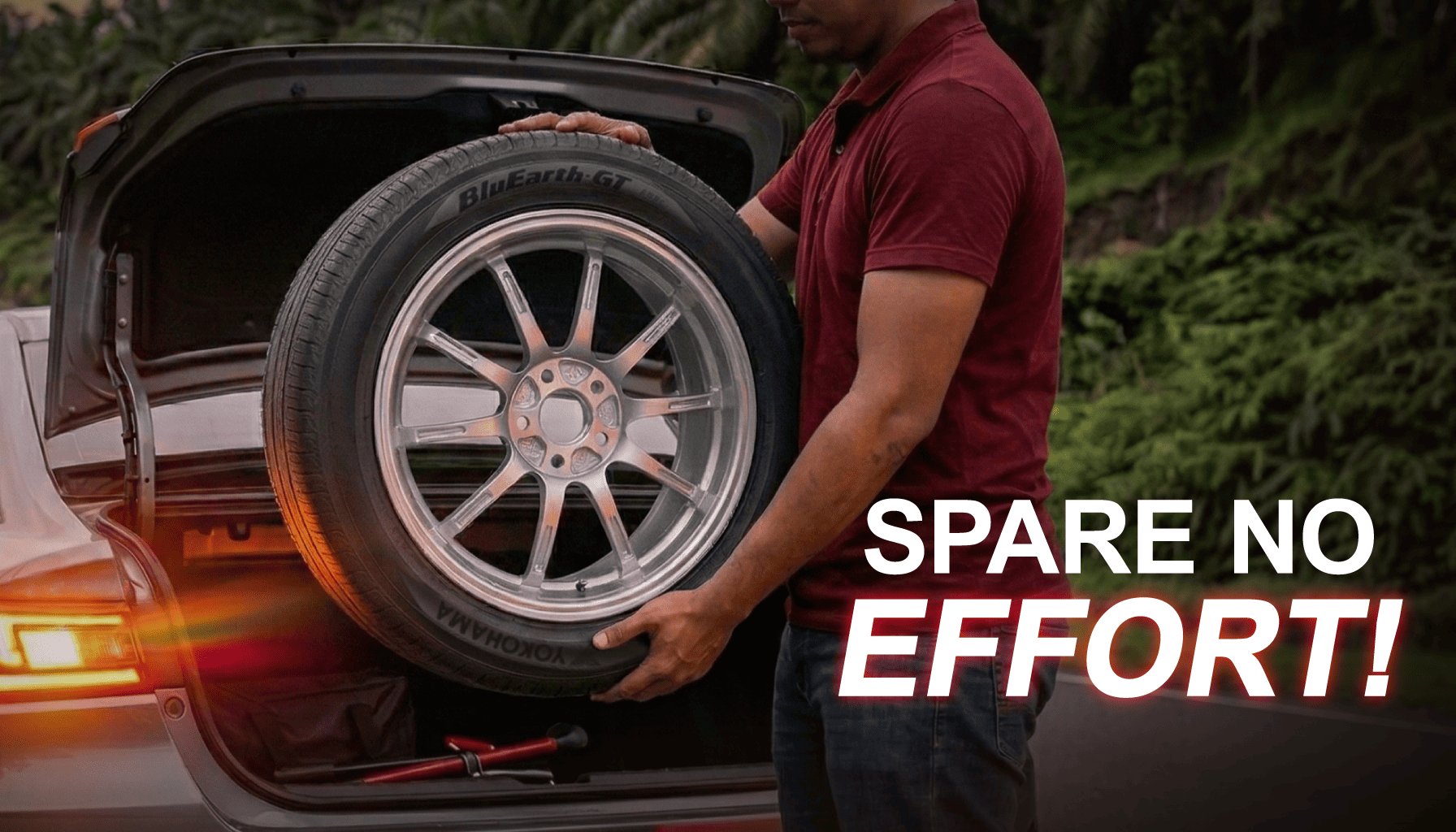
Tyre pressure plays a bigger role in everyday driving than many people realise. It affects braking, grip, fuel efficiency, ride comfort, and how long your tyres last. Research on the impact of specific factors on tyre pressure value also shows that tyre pressure is influenced by multiple conditions, making regular checks even more important for safety and performance.
What Is the Correct Tyre Pressure?
The correct tyre pressure depends on your specific vehicle, tyre size, and load, which is why the manufacturer’s recommendation matters most. While many passenger cars commonly fall within the 30 to 35 PSI range, the best place to confirm the right figure is always your car’s own pressure label.
- Cold tyre pressure means checking the tyres before driving or after the car has been parked for several hours.
- Front and rear tyres may not always need the same PSI.
- The manufacturer’s recommended pressure is more reliable than the maximum PSI printed on the tyre sidewall.
Why Tyre Pressure Matters More Than You Think
Correct tyre pressure helps your car perform the way it was designed to. When tyres are underinflated, they flex more than they should. That creates extra heat, increases rolling resistance, and can make the steering feel heavier and less responsive. Underinflation can also lead to faster wear on the tyre shoulders and higher fuel consumption.
Overinflation creates a different set of problems. The ride often feels harsher, the centre of the tread may wear faster, and the tyre may not maintain as balanced a contact patch on rough or uneven roads. In other words, both low and high tyre pressure can reduce comfort, stability, and tyre life.
For Malaysian drivers, tyre pressure matters even more because road conditions can change quickly. A car that feels fine in dry weather can feel much less planted when the roads are wet. Proper inflation supports better wet-road grip, more stable braking, and better overall confidence behind the wheel. Research on tyre pressure and temperature measurement points also highlights how pressure readings can change with tyre temperature, which is why checking tyres when they are cold is so important.
Signs Your Tyre Pressure May Be Wrong
Tyres do not need to look flat before pressure becomes a problem. A tyre can be several PSI off the recommended level and still appear normal at a glance.
Low tyre pressure often causes:
- heavier or slower steering response
- higher fuel use
- softer, less stable handling
- more heat build-up during longer drives
- quicker wear on the outer edges of the tread
High tyre pressure may lead to:
- a firmer, harsher ride
- less comfort over potholes and rough roads
- reduced traction on uneven surfaces
- faster wear in the centre of the tread
If your car suddenly feels different to drive, checking tyre pressure is one of the quickest and smartest places to start.
How to Check Tyre Pressure Properly
Checking tyre pressure is easy, but doing it properly matters. Start with cold tyres, remove the valve cap, and use a pressure gauge to read the PSI. Then compare it with the recommended pressure on the driver-side door placard or in the owner’s manual.
Add air if the reading is low, or release some if it is too high, then check again. Do the same for all four tyres and the spare if needed. It also helps to keep the valve caps on to protect the valves from dirt and moisture.
Try to check tyre pressure every two weeks or at least twice a month, especially before long drives, after major temperature changes, or when the car is carrying extra weight.
A General Tyre Pressure Guide by Vehicle Type
While your own vehicle sticker is still the final reference, general categories can still help explain why tyre pressure is not the same for every vehicle. Hatchbacks, sedans, and SUVs may all have different recommended PSI levels based on their design, tyre size, and load requirements. As the NHTSA tyre safety page notes, the correct tyre pressure should always follow the vehicle manufacturer’s recommendation.
These categories are useful for general understanding, but they should never replace the recommended pressure for your specific vehicle. The safest approach is to check your car’s placard and use that figure as your guide.
Common Tyre Pressure Mistakes to Avoid
One of the biggest mistakes drivers make is waiting until the car feels wrong before checking tyre pressure. By then, the tyres may already be wearing unevenly or affecting fuel efficiency.
Other common mistakes include inflating tyres to the sidewall maximum instead of the vehicle recommendation, checking pressure right after a long drive, forgetting the spare tyre, or assuming all four tyres should have the same PSI. Some drivers also top up air without rechecking the pressure with a gauge, which can lead to overinflation.
These are small mistakes, but they can have a real effect on comfort, safety, and tyre wear over time.
Does Correct Tyre Pressure Improve Fuel Efficiency and Tyre Life?
Yes. Correct tyre pressure helps reduce rolling resistance, which supports better fuel efficiency. It also helps the tread wear more evenly, which can extend tyre life and maintain more predictable handling.
That is why tyre pressure checks work best when combined with other good habits such as tyre rotation, alignment checks, and regular inspections for wear or damage. If you want a better idea of replacement timing and what affects tyre lifespan, this guide on how long tyres last is a useful next read.
How to Choose Tyres That Match Your Driving Needs
Getting the pressure right is only one part of tyre care. The tyre itself also needs to suit the way you drive. If you mainly drive in the city, you may want a tyre that focuses on comfort, low road noise, and durability. If you spend more time on highways, stability, braking, and wet-road confidence may matter more.
For family cars, safety, long-term reliability, and predictable handling are usually more important than sporty feel. In Malaysia’s climate, strong wet performance is especially valuable because heavy rain can quickly expose weaknesses in tread design and grip.
Once you understand the right tyre pressure for your car and the kind of performance you need, the next step is choosing the right tyre. You can explore the Yokohama product range to compare options designed for comfort, grip, durability, and everyday driving on Malaysian roads.
Get the Pressure Right
The right tyre pressure helps you drive more safely, improve fuel efficiency, and get more life from your tyres. It takes only a few minutes to check, but it can make a noticeable difference to how your car feels and performs every day.
If you are planning to replace your tyres soon, do not focus on price alone. Choose tyres that match your driving needs, road conditions, and expectations for comfort and safety. For added peace of mind before buying, take a look at the Yokohama warranty information and then compare the best options for your vehicle.
FAQ
1. What is the ideal tyre pressure for most cars?
For many passenger cars, a common starting range is around 30 to 35 PSI when the tyres are cold, but the exact number depends on the car, tyre size, and load. Always follow the driver-side door placard for the correct figure.
2. Should I check tyre pressure when tyres are hot or cold?
You should check tyre pressure when tyres are cold. That gives a more accurate reading and helps you match the manufacturer’s recommended PSI more reliably.
3. How often should I check tyre pressure?
A good rule is every two weeks or at least twice a month, plus before long trips or when carrying extra load.
4. Can wrong tyre pressure affect fuel consumption?
Yes. Underinflated tyres usually increase rolling resistance, which can raise fuel consumption and cause tyres to wear faster and less evenly.