
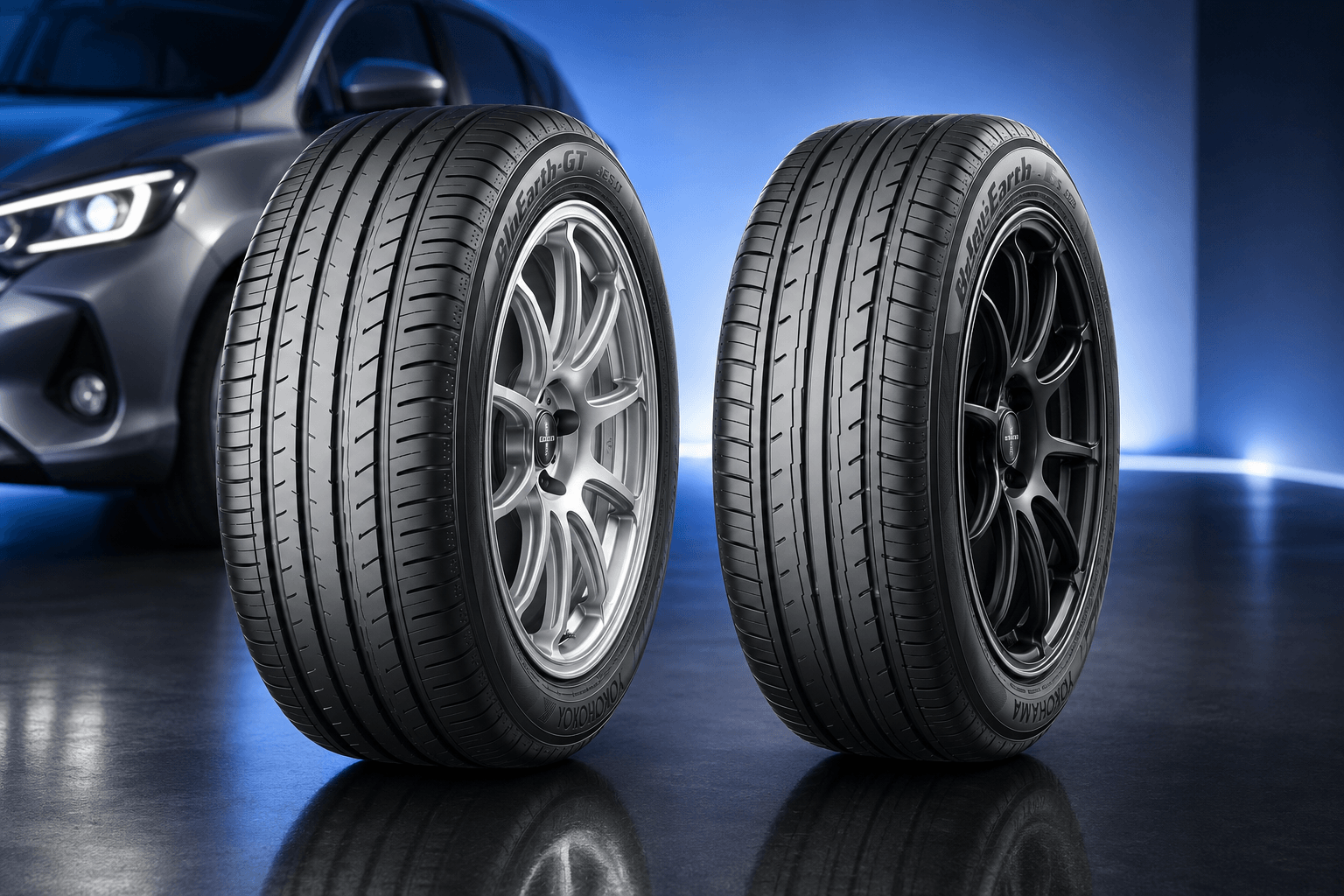
A tyre comparison is the process of weighing two or more tyres against each other on the factors that matter most, such as grip, tread life, noise, fuel economy, and price, so you can choose the right one for your car. Done properly, it turns a confusing wall of model names and codes into a clear decision based on how you actually drive.
Most drivers in Malaysia compare tyres only on price, which is exactly how they end up replacing tyres sooner or driving on less grip than they paid for. This guide gives you a practical framework for tyre comparison, explaining each factor to weigh and how to read the ratings that let you compare fairly.
What Makes a Fair Tyre Comparison?
A fair tyre comparison starts with comparing tyres of the same size and intended use, not just the cheapest options on the shelf. When replacing tyres you should match the original size and speed rating and weigh independently tested qualities such as wet and dry braking, handling, hydroplaning resistance, noise, and treadwear. A tyre built for a city hatchback and one built for an SUV are not rivals, so the first step is matching the comparison to your vehicle and your driving.
The factors worth comparing fall into a handful of clear categories. These are tread life, wet and dry grip, ride comfort and noise, fuel efficiency, and price, and the right balance among them depends entirely on how and where you drive in Malaysia.
Identifying your priorities makes the comparison meaningful. A daily commuter on the North-South Expressway values quiet running and fuel economy, while a weekend driver may rank grip and steering response higher, so there is no single best tyre, only the best tyre for you. Our guide on how to choose the right car tyres helps you set those priorities before you start comparing.
Comparing Tread Life and Durability
Tread life is one of the most important comparison points because it determines how soon you will be buying tyres again. A tyre that costs more but lasts noticeably longer can work out cheaper per kilometre than a cheap tyre replaced twice as often.
The standardised tool for comparing tread life is the UTQG treadwear grade, one of three grades moulded on the sidewall alongside traction and temperature. The treadwear number is a comparative rating where a higher number lasts longer, so a tyre graded 200 should last twice as long on a controlled test course as one graded 100, giving you a rough scale for comparison.
There is an important limit to that number, however. Treadwear grades are most reliable when comparing tyres within a single manufacturer’s range, because each maker conducts its own testing, so the grade is a guide rather than an exact promise across different brands. The core tyre-care essentials to weigh are pressure, alignment, rotation, and tread, and our guide on how long tyres last explains the habits that stretch tread life further.
Comparing Grip, Especially in the Wet
Wet grip deserves special attention in any Malaysian tyre comparison because of how often and how hard it rains here. A tyre that stops well on dry tarmac but poorly in a downpour is a poor match for our climate.
The UTQG traction grade gives a standardised wet-braking comparison. Traction grades run from highest to lowest as AA, A, B, and C for wet stopping, and they measure a tyre’s ability to stop on wet pavement in straight-line braking, so a higher grade is preferable for wet conditions.
Be aware of what the grade does not cover. The traction grade only measures straight-line wet braking, not cornering grip or resistance to hydroplaning, so it is one input rather than the whole story when comparing wet performance.
Tread pattern and depth complete the wet-grip picture. Deeper tread and well-designed water channels clear standing water more effectively, which is why a worn tyre grips far worse in the rain than a fresh one of the same model.
Comparing Comfort, Noise and Fuel Economy
Ride comfort and noise shape how pleasant a tyre is to live with every day, and they are easy to overlook when comparing on paper. Softer compounds and certain tread patterns run quieter and smoother, which matters most on long motorway journeys.
Fuel economy is a quieter but steady difference between tyres. Low rolling resistance tyres require less energy to roll, so they can modestly reduce fuel consumption over the life of the set, which adds up across the high mileage many Malaysian drivers cover.
The UTQG temperature grade hints at how a tyre handles heat. The temperature grade is marked A, B, or C for heat resistance and indicates how well a tyre dissipates heat, and better heat tolerance supports sustained higher-speed running, which is reassuring on hot expressway drives.
Comparing Price the Smart Way
Price is the factor everyone compares, but the smart approach is cost per kilometre rather than sticker price alone. A tyre that lasts longer, grips better, and saves fuel can be the cheaper choice even at a higher upfront cost.
Safety should anchor the price comparison. The legal minimum tread depth in Malaysia is 1.6 mm, enforced across the full tyre surface, so any tyre you compare must hold safe grip for its whole service life, not just when new.
Warranty and support belong in the price comparison too. A tyre backed by a road hazard warranty and a wide dealer network carries real value that a slightly cheaper unsupported tyre does not, because it protects you against unexpected damage.
Compare With Confidence and Choose Yokohama
A thorough tyre comparison naturally points you toward a brand that delivers on every factor at once, balancing grip, tread life, comfort, and value rather than excelling at just one. That all-round engineering is what separates a premium tyre maker from the rest.
This is where Yokohama stands apart. Yokohama is an award-winning Japanese tyre brand established in 1917 and the first Japanese tyre maker to earn ISO 9001 certification, a heritage of quality assurance that produces tyres which compare strongly across the board. The range covers every kind of driver, from the high-performance ADVAN line, to the rugged GEOLANDAR SUV and off-road range, to the fuel-saving and comfortable BluEarth line, including efficient daily options such as the BluEarth-ES ES32.
Choosing Yokohama also wins the comparison on support. Every set is backed by the We Care Road Hazard Warranty and authorised dealers nationwide, with Yokohama Tyre Sales Malaysia as the sole official importer. To compare and choose the right tyre for your car, explore the full range at Yokohama.
Frequently Asked Questions
How do I compare tyres before buying?
Compare tyres of the same size and intended use across tread life, wet and dry grip, noise, fuel economy, and price, weighted by how you drive. Use the UTQG treadwear and traction grades as standardised reference points, and think in cost per kilometre rather than sticker price.
What do UTQG ratings mean in a tyre comparison?
UTQG ratings grade a tyre’s treadwear, traction, and temperature resistance on a standardised scale. Treadwear gives a relative tread-life figure, traction grades wet braking from AA down to C, and temperature indicates heat dissipation, so together they help you compare tyres fairly.
Which tyre factor matters most in Malaysia?
Wet grip is especially important in Malaysia because of frequent heavy rain, followed by tread life and heat resistance for our hot, high-mileage driving. The ideal balance still depends on whether you prioritise comfort, economy, or performance.
Is a more expensive tyre always better?
Not always, but the cheapest tyre is rarely the best value, since a longer-lasting, grippier tyre can cost less per kilometre. The smartest comparison weighs upfront price against tread life, safety, fuel savings, and warranty support.
How does tread depth affect my comparison?
Tread depth affects grip throughout a tyre’s life, and Malaysia’s legal minimum is 1.6 mm. A tyre that keeps strong wet grip as the tread wears down is worth more than one whose performance drops off quickly, so consider how a tyre performs across its whole life.
Sources
- National Highway Traffic Safety Administration – Consumer Guide to Uniform Tire Quality Grading
- Consumer Reports – Choose the Right Tires for Your Vehicle
- U.S. Tire Manufacturers Association – Tire Care & Safety
- The AA – Tyre Speed Rating: Chart and Rating Letters
- Paul Tan’s Automotive News – Minimum 1.6 mm tread depth across entire tyre surface a must for all commercial vehicles, JPJ
- Yokohama Tyre Malaysia – Home