
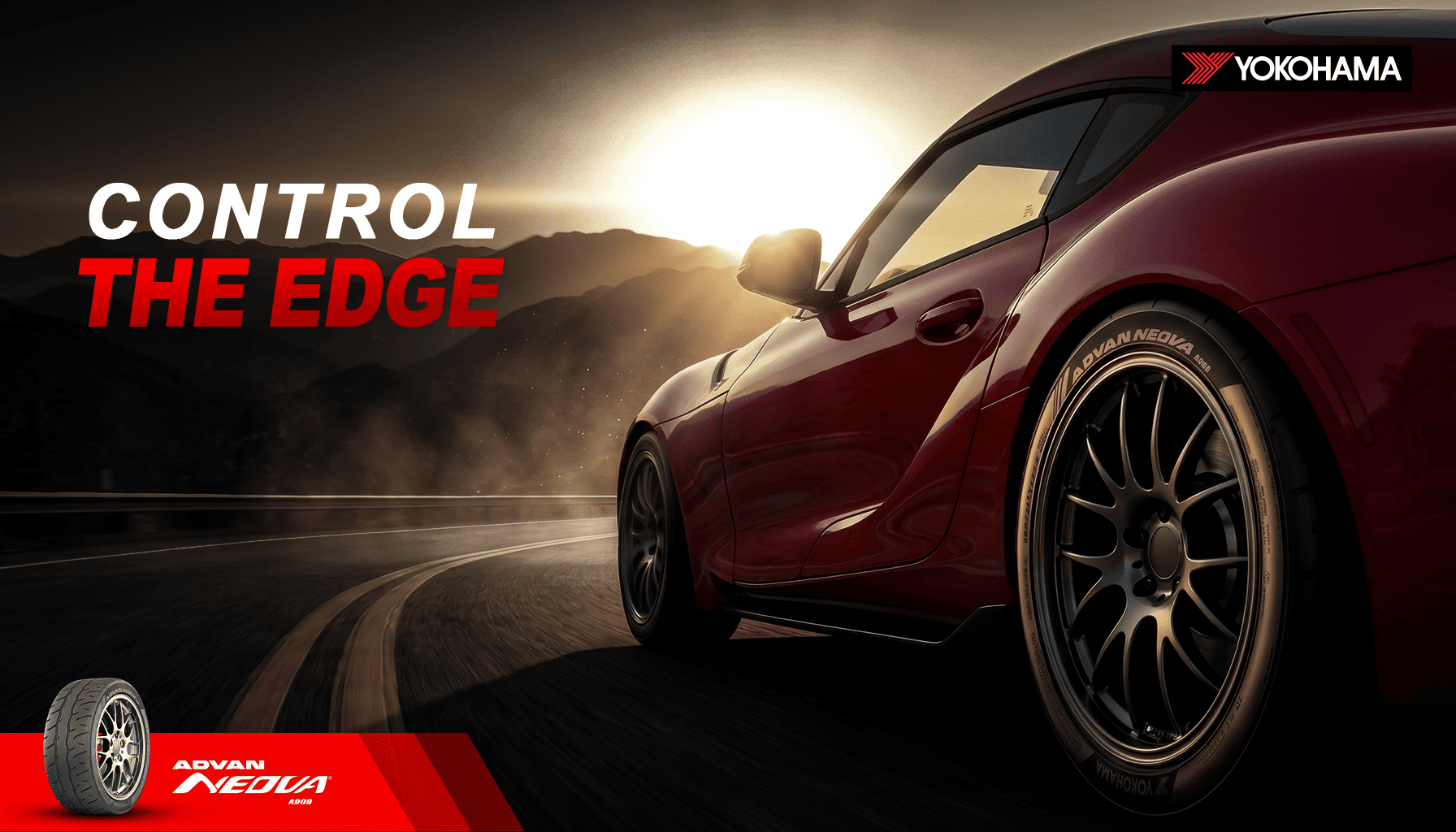
In simple terms, performance tyres are built for stronger traction and faster steering response than standard touring tyres, which makes them attractive for Malaysia’s heat, highways, and sudden heavy rain.
That said, better grip does not automatically mean they are the best choice for every driver. Performance tyres often trade some ride comfort, tread life, and cabin quietness for sharper road feel. The right set depends on how you drive, where you drive, and how much you value wet-road confidence over long-term comfort, so it helps to understand how to choose the right car tyres for your driving needs.
What Is A Performance Tyre?
Performance tyres are engineered as the more responsive counterparts to standard touring tyres, specifically designed to elevate the driving experience for sports cars, coupes, and high-performance saloons. Their primary objective is to provide sharper handling, more precise steering response, and significantly shorter stopping distances in both wet and dry environments. While touring tyres prioritise a quiet, long-lasting ride for daily commuting, performance variants focus on the more dynamic aspects of driving, offering a much tighter and more “connected” feel between the driver and the road surface.
Performance Tyres vs Touring Tyres
Touring tyres are designed for daily driving, prioritising comfort, longevity, and fuel efficiency with a quiet, composed ride. In contrast, performance tyres focus on responsiveness and sharper handling, utilising softer rubber for superior grip and shorter stopping distances. While touring variants offer a durable, smoother experience, performance models often sacrifice tread life and ride refinement for dynamic control and high-speed stability.
How Performance Tyres Improve Grip and Handling
The hallmark of these tyres is superior traction, which is essential for maintaining stability during high-speed manoeuvres and cornering. To achieve this, they utilise specialised, softer rubber compounds and aggressive tread patterns that effectively “hug” the road. In wet conditions, advanced features such as asymmetric tread designs are frequently employed, where specific sections of the tyre are dedicated to dispersing water to mitigate the risk of aquaplaning. Furthermore, the inclusion of high-silica rubber compounds helps the tyre maintain its grip on damp pavement, which is a critical safety feature during sudden or heavy rainfall.
Performance Tyre Pros and Cons
Opting for enhanced performance usually necessitates certain compromises regarding the tyre’s lifespan and the vehicle’s overall refinement. Because these tyres use softer rubber to maximise grip, the tread typically wears out faster than that of standard passenger tyres. Additionally, the stiffer sidewalls required to provide precise cornering often result in a firmer ride, meaning drivers may feel more road irregularities and bumps. There is also a tendency for more aggressive tread designs to generate higher levels of internal road noise compared to the composed and quiet nature of touring alternatives.
Do Performance Tyres Affect Fuel Economy?
The specialised construction and materials used in performance tyres can have a noticeable impact on a vehicle’s fuel economy. They often possess higher rolling resistance—the friction a tyre must overcome to roll—which can lead to a slight decrease in fuel efficiency compared to tyres designed specifically for low energy consumption. Beyond fuel use, modern industry standards are increasingly focusing on abrasion, which measures the amount of rubber particulate matter lost as the tyre wears down. Certain high-end performance models are now engineered to reduce this particulate emission, aiming for a more environmentally friendly approach to spirited driving.
A Trusted Tyre Brand to Explore for Performance Driving in Malaysia
If you are comparing performance tyres in Malaysia, it helps to look at brands with a strong track record in grip, handling, and wet-road confidence. Yokohama, founded in 1917, is known for its Japanese engineering heritage and wide tyre range, including the ADVAN line for high-performance driving, the GEOLANDAR line for SUVs and mixed terrain, and the BluEarth line for drivers who prioritise comfort and efficiency.
FAQ
1. Are performance tyres suitable for daily driving?
Performance tyres can be used for daily commutes if the driver prioritises enhanced safety, shorter braking distances, and sharper handling. Nevertheless, they typically feature softer rubber that wears more quickly and stiffer sidewalls that produce a firmer ride.
2. How do performance tyres handle extreme tropical weather?
In tropical climates, intense heat can cause tyre compounds to soften, so heat-resistant materials and reinforced constructions are vital for stability. Furthermore, asymmetric tread designs and high-silica compounds are used to maintain grip and prevent aquaplaning during rain.
3. Why do performance tyres typically have a shorter lifespan?
Performance tyres prioritise maximum traction and responsiveness, requiring the use of softer rubber compounds that adhere more effectively to the road surface. Because the design focus is on grip rather than longevity, the tread wears down faster.
4. What information is provided by the markings on a tyre’s sidewall?
Sidewall markings include the speed rating, which is the maximum safe velocity, and the load index, indicating the weight capacity. Additionally, UTQG ratings provide specific data regarding the tyre’s projected lifespan, wet braking ability, and heat resistance.